Lucy Williamson: The BBC Correspondent Covering Major Stories From the Front Line
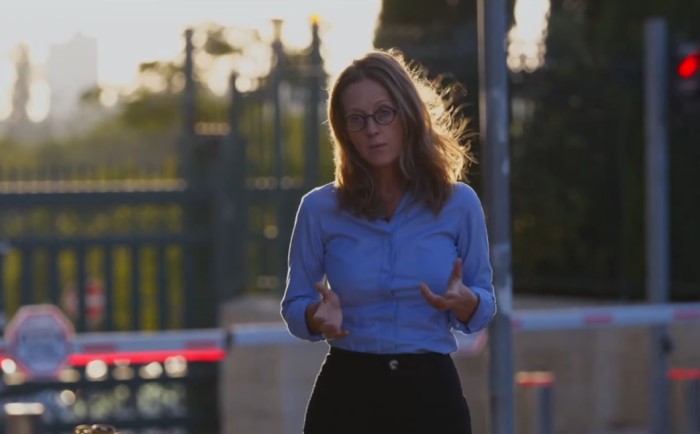
Lucy Williamson is a respected BBC journalist known for clear, calm and careful international coverage. Her work has taken her across Europe, Asia and the Middle East. She has covered war, politics, public unrest, elections and humanitarian crises. Her career shows the skill needed to explain difficult events in simple and fair language.
She is best known for her work as a BBC Middle East Correspondent. This role places her in one of the most challenging areas in global news. The job requires strong judgement, deep preparation and the ability to work under pressure. Lucy Williamson has built a career through steady reporting from places where events can change very quickly.
Who Is Lucy Williamson?
Lucy Williamson is a British journalist who works for BBC News. She has served in important foreign correspondent roles in France, South Korea, Indonesia and the Middle East. Her work focuses on major events that shape the lives of people across the world.
Her journalism often explains how political decisions affect ordinary families. She covers the facts of a story but also shows the human side of major events. This can include people facing conflict, displacement, fear, economic pressure or uncertainty about the future.
Lucy Williamson’s work has reached audiences through television reports, BBC News articles and live broadcasts. Her calm style helps viewers follow difficult stories without losing sight of the people involved.
Lucy Williamson and BBC News
Lucy Williamson joined BBC News early in her professional career and developed her skills through overseas work. She has worked in places where language, history and politics all play a key part in daily life.
Foreign correspondence requires more than standing in front of a camera. A journalist must understand the local setting, speak with people from different backgrounds and check facts before presenting a story. Lucy Williamson’s career shows strong experience in these areas.
She has worked in locations where news can move quickly and where public statements may not give the full picture. Her task is to explain the wider background in a way that is fair and easy to follow.
Why Foreign Correspondence Matters
Foreign journalists help people understand events outside their own country. They bring direct accounts from places affected by major political change, war, protests and natural disasters.
A correspondent also gives context. This means explaining why an event matters, how it began and what may happen next. Without this background, world news can feel confusing or distant.
Lucy Williamson has spent years doing this work. Her reports help connect local events with wider global issues.
Lucy Williamson’s Career in Asia
Before her work in the Middle East, Lucy Williamson spent time in Asia. She worked in Indonesia and South Korea, two countries with very different histories, cultures and political systems.
Indonesia is one of the world’s largest island nations. It has a rich mix of languages, religions and traditions. It also faces major issues linked to politics, climate, natural disasters and economic change. Working there gave Lucy Williamson experience in covering a country with many different voices and concerns.
South Korea gave her another important posting. The country is known for its strong economy, modern technology and close links with global trade. It also faces serious security issues because of tensions on the Korean peninsula.
Lucy Williamson’s Work in South Korea
South Korea has a complex political and security environment. Relations with North Korea can affect people across the region and attract attention from governments around the world.
For a BBC correspondent, work in South Korea means following diplomacy, defence matters, elections and public debate. It also means explaining how local people live with long-standing uncertainty.
Lucy Williamson’s time in Korea gave her valuable experience in international affairs. It helped build the strong foundation she later used in Europe and the Middle East.
Covering Human Stories
News is not only about leaders, speeches and official meetings. It is also about families, workers, students and communities.
Lucy Williamson’s work often gives space to people living through major events. This makes her reports more complete. It helps the audience see how decisions made by powerful people can affect daily life.
This human focus is important in foreign journalism. It prevents a story from becoming only about politics or numbers.
Lucy Williamson as BBC Paris Correspondent
Lucy Williamson also worked in France as a BBC correspondent. France is one of Europe’s most important countries and has a major role in politics, culture, business and security.
Her work from Paris included coverage of national debates, public demonstrations, elections and social change. France often faces strong public discussion on jobs, immigration, education, security and the role of government.
Her time in France helped her build a deeper understanding of European affairs. It also showed her ability to cover events in a country where politics can create strong public reaction.
Lucy Williamson’s Reporting Style
Lucy Williamson is known for a calm and serious approach. Her work avoids unnecessary drama and focuses on explaining events clearly.
This style is especially useful when covering conflict or public unrest. People need clear facts, but they also need to understand the wider setting. A strong correspondent does not simply describe what happened. They explain why it matters.
Her work also shows the value of careful language. In difficult stories, one word can change the meaning of a report. Good journalism requires accuracy, balance and respect.
The Importance of Clear Language
Clear language makes news easier to understand. It helps people follow difficult subjects without feeling lost.
Lucy Williamson often works in places where history, religion, politics and conflict are closely connected. These stories can be hard to explain in a short report. Her role is to make them understandable without removing the important details.
This is one reason why experienced correspondents are valuable. They bring years of knowledge to each new assignment.
Lucy Williamson as Middle East Correspondent
Lucy Williamson is now widely known for her work as BBC Middle East Correspondent. Her coverage has included events in Israel, Gaza, the West Bank, Lebanon and nearby areas. These are places where political tension and conflict can affect millions of lives.
The Middle East is one of the most difficult regions for a journalist to cover. There are long histories of conflict, strong political views and deep personal loss. A correspondent must work carefully and fairly while dealing with fast changes on the ground.
Lucy Williamson’s work in the region focuses on major developments while keeping attention on the people affected. This can include families who have lost homes, communities facing danger and people waiting for news about loved ones.
Lucy Williamson and Conflict Coverage
Conflict coverage is one of the hardest forms of journalism. It can involve danger, emotional pressure and limited access to key locations.
Journalists working in conflict areas must make quick decisions while keeping safety and accuracy in mind. They must also avoid treating serious human suffering as simple headlines.
Lucy Williamson’s role requires her to explain events without making them seem smaller or simpler than they are. Her work reflects the responsibility that comes with covering war and humanitarian crises.
A Career Built on Experience
Lucy Williamson has worked across several countries and regions. This has given her a wide view of how global events connect.
Her career has moved from Asia to France and then to the Middle East. Each role has added new skills and knowledge. Her experience in different parts of the world helps her explain events with greater depth.
A correspondent who has worked in many countries can often see links that others may miss. They may understand how trade, migration, security and diplomacy connect across borders.
Lucy Williamson Education and Background
Lucy Williamson studied at the University of Manchester between 1994 and 1997. Her studies gave her an early academic base before her career in journalism.
Education can help journalists learn how to examine evidence, write clearly and understand different cultures. These skills are useful for anyone working in international news.
Her professional career shows that strong journalism comes from both study and practical experience. Years spent working in different countries can teach lessons that no classroom can fully provide.
Lucy Williamson Age, Husband and Private Life
Many people want to know about Lucy Williamson’s age, husband, partner and family life. However, her exact date of birth has not been confirmed through a direct official statement. Her age should therefore not be written as a proven fact.
There are also online claims about her husband and private life. These claims do not have clear direct confirmation from Lucy Williamson herself or BBC News. For this reason, careful articles should avoid presenting private details as certain.
Lucy Williamson keeps the focus of her public work on journalism. Her career, reporting roles and international experience are the strongest confirmed parts of her story.
Does Lucy Williamson Have a Wikipedia Page?
Lucy Williamson does not have a clear standalone English Wikipedia biography page. She is linked with wider BBC correspondent references, but this is not the same as having a full personal page.
There are also other people with the same name. Some work in entertainment and other fields. This can create confusion online.
For accurate writing, it is important to separate Lucy Williamson the BBC journalist from other people with the same name.
Lucy Williamson’s Place in Modern Journalism
Lucy Williamson represents the value of experienced foreign journalism. Her career has been built through work in Asia, Europe and the Middle East. She has covered stories that require care, patience and strong knowledge of world affairs.
Modern journalism moves fast. News can spread across social media within minutes. However, speed should not replace accuracy. Journalists still need to check facts, speak to people directly and explain the bigger picture.
Lucy Williamson’s career shows why this work matters. Her reports help people understand major world events through clear language and strong context. Her experience across many countries has made her an important voice in BBC international coverage.
FAQs
1. Who is Lucy Williamson?
Lucy Williamson is a British journalist who works for BBC News. She is known for international reporting and has worked in France, South Korea, Indonesia and the Middle East. Her work often covers politics, conflict, humanitarian issues and major world events.
2. What is Lucy Williamson’s role at the BBC?
Lucy Williamson is the BBC Middle East Correspondent. She reports on important developments across the region, including events connected with Israel, Gaza, the West Bank, Lebanon and neighbouring areas. Her work includes television reports, written news stories and live updates.
3. How old is Lucy Williamson?
Lucy Williamson’s exact age and date of birth have not been confirmed through a direct official statement. Although she studied at the University of Manchester from 1994 to 1997, this does not provide a confirmed age.
4. Is Lucy Williamson married?
Lucy Williamson has not publicly confirmed details about her husband, partner or family life. It is best to avoid treating online claims about her relationship status as fact, as she keeps her private life separate from her BBC career.
Also Read
- Lucy Williamson: The BBC Correspondent Covering Major Stories From the Front Line
- Yasmin Bodalbhai: The ITV Journalist Giving Public Issues a Human Voice
- Isabel Oakeshott: Inside the Career, Books and Public Life of a Leading Political Journalist
- Tatiana Sanchez: The Journey from Local Television to GB News
- Lucrezia Millarini: The Trusted ITV News Anchor Behind the Headlines